

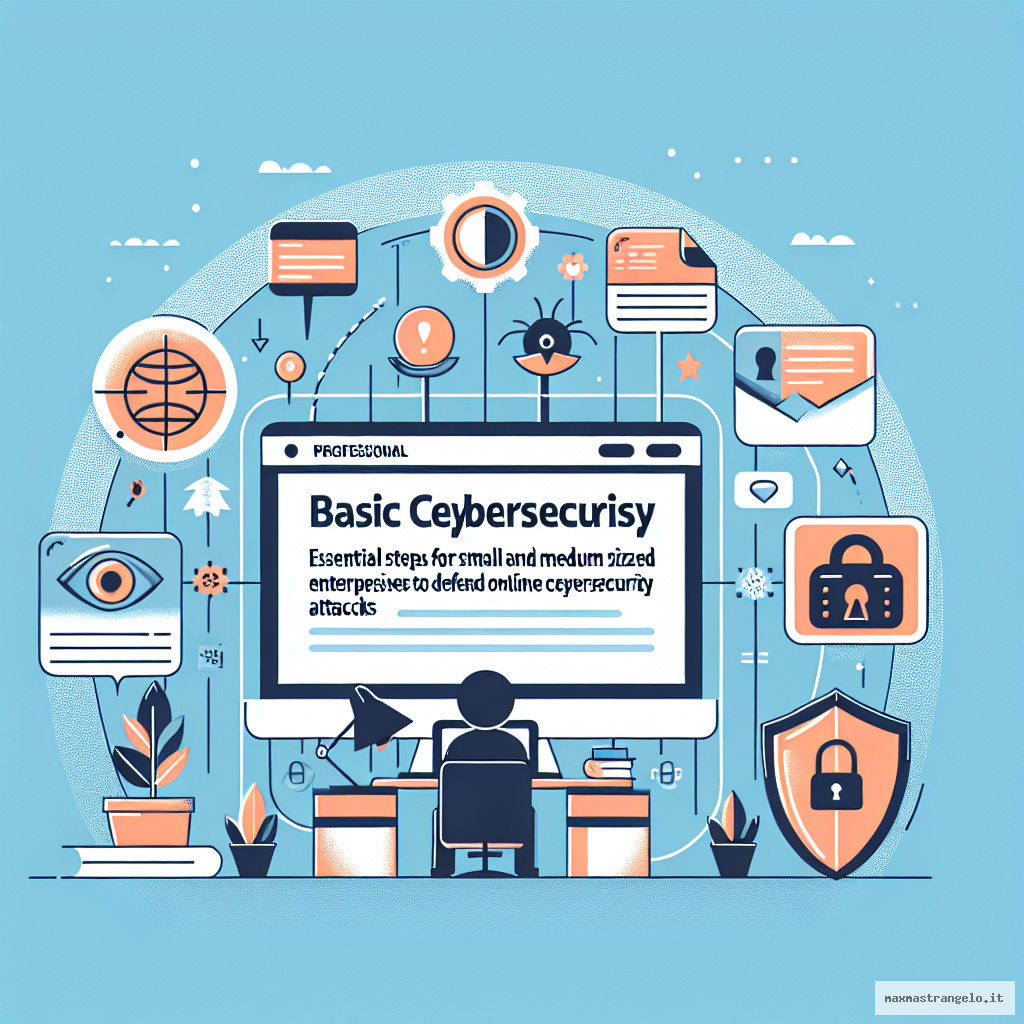
In the digital age, even a small business or freelancer is at risk of finding himself or herself the protagonist of a real "cyber battle." Cyber attacks spare no one: from multinational giants to family-run businesses. In 2025, cybersecurity is no longer an optional choice but a real need, especially for Italian businesses that are discovering how much a simple cyber attack can cost: data loss, economic damage and reputation in pieces. That's why this article is meant to be a practical guide, tailored for SMEs and freelancers, to secure their business without becoming a cyber expert.
## What is cybersecurity and why is it important for SMEs and freelancers
Cybersecurity is the set of strategies, technologies and procedures adopted to protect computers, data and information from attacks, theft or damage caused by hackers and malware. For a business owner or self-employed professional, the loss of data can mean the failure of their business or the end of trust from customers.
The most frequent attacks? Phishing, ransomware, spyware and password breaches are the tip of the iceberg. That's why a basic but effective approach to cybersecurity is the first step to avoid finding yourself a victim of digital scams or loss of valuable data.
## Three simple, concrete actions to secure your business
1. **Protect passwords: use complex passwords and enable two-factor authentication (2FA)**
- Avoid "123456" or "password" and create passwords at least 12 characters long, mixed with letters, numbers and symbols.
- Always enable 2FA on work platforms (email, cloud services, accounting) to add a second layer of security.
2. **Update software and devices constantly**
- Each update fixes security holes that can be exploited by hackers.
- Check operating systems, antivirus, browsers, and even business apps periodically.
3. **Train yourself and your team**
- Organize mini-training sessions on recognizing suspicious emails, dangerous links, or "strange" phone calls.
- Informs co-workers on procedures to follow in case of doubt or suspected attack.
## How to monitor security even with limited resources
You don't need a team of IT experts to start monitoring the security of your business. Here are some tools and best practices:
- **Regular backups**: save data to external devices or cloud to have a copy always available in case of an attack.
- **Personal firewall**: Windows and macOS systems also offer easily configurable built-in firewalls.
- **Free or professional antivirus**: choose at least one good antivirus and keep it updated.
- **Check app permissions**: not all apps need to have access to all data or features on your device.
—
### Practical takeaways to protect your business right away
1. Change outdated passwords and activate 2FA within this week.
2. Check and update your software, from computers to apps, at least once a month.
3. Dedicate 30 minutes per month to train you and your team on how to recognize common threats.
—
Investing in cybersecurity is not just about defending against attacks, but protecting your reputation and ensuring continuity of years of work. Every small act of prevention can prevent giant problems in the future.
**If you want to learn more or get a free cybersecurity check-up for your company, contact us today!** Don't wait until it's too late.




 English
  Italiano
  Español de México