

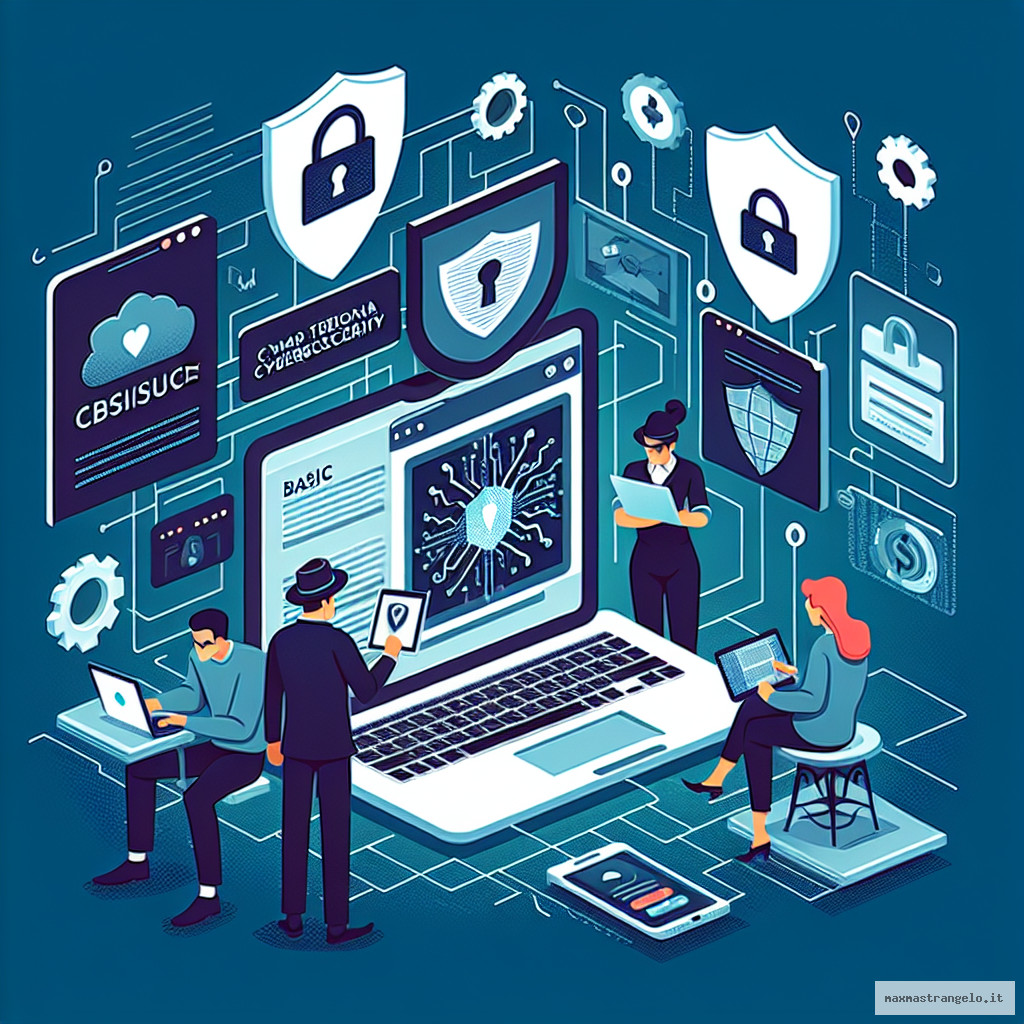
In 2025, cybersecurity is no longer an optional extra, but an unavoidable necessity even for small and medium-sized businesses and professionals in Italy. With cyber attacks steadily growing, protecting one's own data and that of clients is a duty that can prevent irreparable damage. That's why we have collected the basics of cybersecurity with practical, clear and easily applicable advice.
## Why cybersecurity is urgent for SMEs and freelancers
You don't need great infrastructure or expert skills to get off on the right foot. Even a small business or freelancer today can be the target of hackers, phishing and ransomware, with consequences that can range from theft of sensitive data to a total shutdown of activities.
In Italy, according to the 2025 report of Agency for National Cybersecurity (ACN), more than 65% of cyber attacks hit precisely SMEs and freelancers, which are considered weak links because they are less protected. So, starting with a few basic rules is essential to armor your business and ensure reliable and secure service to customers.
## Three simple pillars to protect your digital business
1. **Regular software updates**
We often tend to put off updates to systems or programs we use on a daily basis, but it is these updates that fix security holes known to hackers. For example, a simple update to your operating system or management system can prevent known malware from entering your system.
2. **Strong passwords and two-factor authentication (2FA)**
Never use universal or easily guessed passwords such as "123456" or "password." It is important to create unique combinations using letters, numbers, and symbols. Better yet, enable 2FA whenever possible-it requires a second step to gain access, such as a code via text message or app, making unauthorized access much more difficult.
3. **Minimum training on phishing and social engineering**
Many attacks begin with a phishing-type email or message that tries to trick the user into handing over data or credentials. Knowing the warning signs-such as suspicious links, unknown senders, urgent requests-helps you avoid falling into the trap. Small, free online courses or webinars can already make a difference.
## How to get started now: a practical checklist for your safety
- Check that all devices (PC, tablet, smartphone) have the latest available update installed.
- Change default passwords and use a password manager to keep them secure and convenient to use.
- Enable two-factor authentication on email, social, and enterprise software.
- Do not open attachments or links from unknown senders, even if they appear to be customers or suppliers. Ask for confirmation directly via phone or secure channels.
- Install an up-to-date antivirus and run regular scans.
- Schedule regular backups of important data in a safe place, preferably on the cloud with encryption.
- Attend or organize training sessions for you and your employees to understand the new threats and how to respond.
### Three practical takeaways for your digital security
- **Never underestimate a suspicious message:** even if it seems urgent or from a known contact, always verify the source before clicking or replying.
- **Security starts with you:** no software or system can protect you if you don't keep your attention high and make conscious choices.
- **Prevention is less expensive than cure:** investing a few minutes in securing your devices can prevent much more costly damage and expense in the future.
Are you a freelancer or running a small business? Don't wait until it's too late: take cybersecurity into your own hands today. Check out digital security services dedicated to SMEs and professionals, attend free webinars, and consult trusted sources regularly.
Protect your business, protect your customers: cybersecurity is your best ally in 2025.


 English
  Italiano
  Español de México